
How to Protect Your Teeth While You're Sleeping
September 1st, 2016
 When you’re fast asleep, the last thing you’re thinking about is your teeth. (Unless you’re having a dental dream, of course.) So it’s important to make sure that your teeth are well protected before you hit the hay for a long night of sleep. We’ve put together a short checklist that you can use every night before you go to bed to keep your teeth protected all night long.
- Brush your teeth before bed
Not brushing before bed is one of the worst decisions you can make for your teeth. If you leave food and plaque inside your mouth, bacteria can eat away at your teeth all night long. This can quickly lead to cavities, tooth decay and gum disease. That’s why it’s important to brush away any plaque that has built up over the course of the day with toothpaste and a toothbrush.
- Don’t forget to floss
Brushing is just your first line of defense against plaque. Unfortunately, most brush bristles can’t effectively clear out food and plaque stuck between your teeth. That’s where floss comes in. Flossing can get rid of hard-to-reach plaque that might otherwise cause tooth decay between your teeth and irritate your gums during the night.
- Finish up your cleaning with a little mouthwash
Your nighttime cleaning routine shouldn’t end with flossing! While many people may only think of mouthwash as a way to freshen their breath, it can do a lot more than that. Swishing mouthwash correctly can destroy any lingering bacteria and wash away leftover loose plaque in your mouth. When you use mouthwash, make sure to swish it back and forth, reaching every area from the top of your gums to your lower front teeth. Gargle a few seconds before you spit, making sure not to swallow.
- Don’t eat after you clean your teeth
The last thing you want to do after cleaning your teeth is get them dirty again with food. Try to finish eating before you clean your teeth at night. If you eat after brushing and flossing, the acid from the bacteria in your food will attack your teeth and gums while you’re asleep. Food isn’t the only culprit here. Any drinks that provide a food source for bacteria (like sugar) can also lead to bacteria growth overnight. You want to make sure to get rid of these bacteria before you call it a night.
- Put on your mouthguard - or consider one if you grind your teeth
Grinding your teeth can wear them down, leading to serious problems such as broken teeth, migraines and TMJ disease. If you have a nightguard from your dentist, it’s important that you wear it every night so that you avoid damaging your teeth by grinding.
If you don’t currently have a nightguard, it’s important to know the symptoms of teeth grinding and clenching in case you need one. Since you’re not conscious while you sleep, it can be difficult to know if you grind your teeth during the night. The following are symptoms of grinding and clenching that can help you identify if you have a problem:
- Chipped or broken teeth
- Teeth that are worn down with flattened surfaces
- Pain in your jaw
- Damaged tissue in your mouth
- Headaches or pain in your face
- Earaches from your jaw
- Sensitive teeth
- Enamel loss
- Irregular tongue edges
If you live with your partner, you can also ask them if they have ever noticed that you grind your teeth during the night. A dentist should also be able to recognize if you grind or clench your teeth.
We hope this little guide helps you to protect your teeth while you’re sleeping. If you have any other questions, feel free to reach out to us on our Facebook page! Here at Water Tower Dental Care, we’re devoting to providing you with the tools and information you need to keep your smile healthy and happy. And for more information about selecting a pillow, visit Sleep Healthier.
 If you’re a fan of DIY dental care, you’ve probably heard of using baking soda to clean and whiten your teeth. Before you take on any DIY healthcare you read about online, it’s important to do your research. Using baking soda too regularly could cause irreversible damage to your enamel. However, that doesn’t mean you should never use baking soda on your teeth. Let’s explore if baking soda is actually good for your teeth now.
 The last thing you want is yellow teeth after years of wearing braces. But unfortunately, it’s a very common occurrence. If you don’t take care of your mouth while you’re wearing braces, you might be surprised to see white squares where your braces were on yellow-stained teeth after your dentist removes them. Thankfully, it’s easy to avoid this experience. Here are some reasons why people get yellow teeth after braces and how to prevent this from happening. We’ll also talk about how you can fix stained teeth after braces.
 We love to see our patients taking care of their teeth with proper brushing habits. While most people brush twice a day, we do get some asking if they can brush their teeth too much and damage their teeth that way. Many people are surprised to hear our answer: yes, you can actually brush too much. But before you start cutting down your time with your toothbrush, keep reading to find out exactly what brushing too much means.
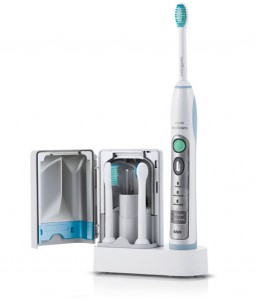 It may seem elementary to you, but believe it or not, many people still don't brush their teeth correctly. Either they don't do it for long enough time, concentrate on the wrong areas, brush too hard, or just completely misuse the toothbrush. For our Water Tower Dental Care patients, and anyone else that has discovered our blog, we would like to provide you with the steps to properly brushing your teeth.
 Wet the toothbrush and apply a thin strip of toothpaste. Although there is a plethora of toothbrushes to choose from, we don't recommend a specific design of brush, rather it's more important to find a brush that if manual is soft and if electric, ultrasonic. Richard H. Price, DMD and consumer advisor for the
  When using a manual soft toothbrush, start by brushing the outer surface of your upper teeth, then your lower. Keep the bristles at a 45-degree angle from your teeth and sweep or roll away from the gum line. Your gums are very sensitive and must be treated with care when brushing. Never brush up, into the gums, always away. When using an electric ultrasonic toothbrush, hold bristles at a 45-degree angle at gum line and slowly move brush across teeth.
 After the outer surface, focus on the inner surface of the teeth, first the upper then lower teeth. Again, brush away from the gums at a 45-degree angle.
 Clean the chewing surfaces of the teeth. You can be slightly more aggressive with the surface of the teeth, but nothing too hard. Pay extra attention to the hard-to-reach back teeth and areas around fillings or crowns.
 Once you've finished on the teeth, give your tongue a gentle brush to remove any bacteria and to keep your breath fresh longer. We highly recommend using a tongue scraper as well.



 Website Powered by Sesame 24-7™