
Understanding Sugar Sensitivity and Enamel Erosion in Chicago, IL
Living and working in downtown Chicago, IL, offers access to an incredible array of world-class dining, from celebrated bakeries in the West Loop to exquisite dessert spots along the Magnificent Mile. However, if biting into a sweet treat or sipping a sugary beverage triggers a sudden, sharp pain in your mouth, it can quickly turn a joyful experience into an uncomfortable chore. At Water Tower Dental Care, located in the prestigious Water Tower Place, Dr. Daniel Aneszko, Dr. Rana Stino, and Dr. Jennifer Moran are deeply committed to diagnosing and treating your oral discomfort with unmatched care. Our team understands that a vibrant, active lifestyle requires a healthy and pain-free smile, which is why we offer a highly supportive, luxurious environment right in downtown Chicago to address your seasonal and structural dental concerns.
If you find that your teeth are highly sensitive to sugar, you are experiencing a very common issue that stems from both physical and chemical changes in your mouth. When you consume sugary foods, your delicate dental anatomy is forced to adapt, often resulting in temporary discomfort or exposing a hidden structural problem that requires prompt attention. If you are tired of struggling with sudden sugar sensitivity and want to find a lasting solution, please reach out to our premier dental clinic in Chicago, IL by calling us at (312) 787-2131 to secure an immediate appointment.
1. Enamel Erosion and Demineralization
 The primary biological reason your teeth hurt when you eat sweets is the thinning of your protective outer enamel. Enamel is the hardest substance in the human body, serving as an insulating shield for the sensitive inner layers of your teeth. However, daily exposure to acidic foods, clear sodas, and sports drinks can gradually wear down this defensive shield in a process known as enamel erosion.
When your enamel thins out, it exposes the underlying dentin layer. Dentin contains thousands of microscopic, fluid-filled pathways called tubules that lead directly to the main dental nerve pulp at the center of the tooth. When sugary substances enter your mouth, they create an osmotic pressure shift. Because sugary liquids are highly concentrated, they draw fluid out of these open tubules rapidly, creating a sudden physical movement of fluid that your brain registers as a sharp, shooting jolt of pain.
2. Undiagnosed Tooth Decay (Cavities)
An active bacterial cavity is one of the absolute most common answers to the question of why do my teeth hurt when I eat sweets. Your mouth is home to millions of naturally occurring bacteria that feed on the lingering sugars and starches left behind from your meals. As these bacteria feast on sugar, they excrete a highly destructive, localized acid that actively eats away at your minerals.
Once a cavity has penetrated the hard enamel and reached the softer dentin layer, sugar sensitivity becomes a major symptom. Sugary foods and drinks easily seep into the cavity, directly irritating the exposed nerve endings inside. If left untreated, this decay will continue to travel deeper toward the root, eventually causing a severe infection or a painful dental abscess. Our doctors utilize advanced digital diagnostics to locate and repair these hidden cavities before they threaten your structural oral health.
3. Gum Recession and Exposed Tooth Roots
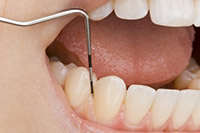 Your gum tissue serves as an essential, protective blanket that seals the vulnerable roots of your teeth away from bacteria and temperature extremes. Unlike the visible crowns of your teeth, the roots do not possess a protective layer of enamel; instead, they are covered by a much softer material known as cementum, which easily wears away. If your gums begin to recede due to aggressive brushing habits, nighttime teeth grinding, or periodontal inflammation, the underlying dentin layer becomes completely exposed.
Exposed roots are highly reactive to chemical triggers like sugar. When you consume sweet treats, the microscopic tubules in the exposed root dentin are stimulated immediately, sending an electric shock of pain straight into your jawbone.
- Recession Warning Signs: Gums that appear to be pulling away from your tooth structure or teeth that look unusually long.
- Localized Sensitivity: A sharp sting that occurs specifically near the gum line when eating sweets.
- Increased Decay Risk: Because cementum is soft, exposed roots are incredibly vulnerable to rapid cavity development.
If you are concerned about receding gums and need to consult a trusted dentist’s office near you, reach out to our office at (312) 787-2131 to discuss protective gum therapies.
4. Microscopic Cracks or Fractures in Your Enamel
Your teeth are designed to withstand incredible chewing forces, but they are not entirely invincible against daily wear and tear. Biting down aggressively on hard ice, accidentally chewing an unpopped popcorn kernel, or suffering a minor physical trauma can result in microscopic hairline fractures across your enamel. Often, these tiny cracks are completely invisible to the naked eye and do not cause immediate structural failure.
However, even a microscopic fissure creates a perfect, hidden pathway for sugary liquids and bacteria to bypass your protective shell and directly stimulate the highly sensitive nerve endings deep inside. The pain often spikes the moment you bite down or release your bite. Because a cracked tooth will never heal organically on its own, it requires immediate professional stabilization to prevent the tooth from splitting entirely. If you have suffered sudden dental trauma or suspect a hidden fracture, our team is ready to help you find relief.
5. Failing Restorations or Aging Fillings
 If you are noticing that only one specific tooth hurts when you eat sweets, the issue may be an aging dental restoration. Over time, dental fillings, crowns, and bonding are subjected to immense physical stress from chewing and speaking. Eventually, the medical-grade bonding material holding these restorations in place can begin to degrade, wear down, or pull away from the natural tooth structure.
When a restoration fails, it creates a microscopic gap where sugary liquids, food particles, and bacteria can easily seep in and become trapped directly against the sensitive inner layers of your tooth. Because your toothbrush cannot reach inside these tiny gaps, the trapped sugar continues to feed bacteria, leading to secondary tooth decay beneath the existing filling. Replacing these aging restorations with durable, custom-fit ceramic pieces is essential for protecting your smile from deep infections.
Reclaim Your Sweet Confidence on the Magnificent Mile
You do not have to live with the dread of enjoying your favorite desserts or let sugar sensitivity dictate your dining experiences. At Water Tower Dental Care, we believe that achieving optimal wellness should be a highly rewarding and entirely comfortable journey. Dr. Aneszko, Dr. Stino, and Dr. Moran combine elite clinical expertise with a luxurious, spa-like atmosphere to elevate your entire dental experience, ensuring your smile remains exceptionally healthy, resilient, and beautiful.
When you visit our modern office on the Magnificent Mile, we invite you to completely unwind and indulge in our exclusive Comfort Menu. Sink into our premium memory foam chairs, sip a freshly made real fruit smoothie, and watch your favorite shows on ceiling-mounted TVs with Bose noise-canceling headphones while our experts carefully analyze your sensitivity. We treat every patient exactly like family, providing the personalized, gentle care you deserve to feel your absolute best. To permanently resolve your sugar sensitivity and restore your comfort, please reach out to contact our Chicago dental team to request an appointment or contact our office directly by calling (312) 787-2131 today.