
Relieving Nighttime Toothaches in Chicago, IL
There is nothing quite as frustrating as preparing for a restful night of sleep, only to be kept awake by a sudden, pulsating ache in your mouth. For busy professionals and active residents in Chicago, IL, getting a full night’s rest is absolutely vital for staying energized, focused, and healthy. At Water Tower Dental Care, located in the heart of the Magnificent Mile, our premier clinical team—led by Dr. Daniel Aneszko, Dr. Rana Stino, and Dr. Jennifer Moran—is dedicated to helping you achieve total oral health and comfort. Dr. Aneszko demonstrates an unwavering commitment to clinical excellence by completing over 100 hours of advanced continuing education annually, ensuring that you receive the highest standard of modern care.
When you notice a persistent throbbing tooth pain that seems to worsen the moment your head hits the pillow, it is your body’s clear warning sign that a deeper issue needs to be addressed. Many patients wonder why does my tooth hurt more at night or what causes this localized throbbing to intensify when resting. Understanding the physiological changes that occur when you transition from standing to lying down can help you manage your discomfort until you can see a professional. If you are struggling with a nighttime toothache and need to find a trusted dentist’s office near you, please take action to protect your oral health by calling our team at (312) 787-2131 to schedule an urgent evaluation at our downtown Chicago office.
1. Increased Blood Flow and Pressure in the Head
 The primary biological reason your tooth throbs when lying down is the sudden shift in your body’s blood circulation. When you are standing, sitting, or walking throughout the day, gravity naturally pulls blood downward toward your lower extremities, keeping the blood pressure in your head relatively balanced. However, when you lie flat on your back to sleep, gravity no longer exerts this downward pull.
This horizontal position causes a significant volume of blood to rush upward and pool in your head and neck. This increased blood volume places direct, intense physical pressure on the highly sensitive, inflamed nerves inside your tooth.
- Intense Throbbing: The nerve endings register this sudden surge in blood pressure as a heavy, rhythmic throbbing that aligns perfectly with your heartbeat.
- Nerve Compression: The rigid outer structure of your enamel prevents the inflamed inner tissues from expanding, compressing the dental nerve even further.
- Increased Sensitivity: The increased pressure makes the tooth highly reactive to even the slightest thermal or physical changes.
2. Subconscious Nighttime Teeth Grinding (Bruxism)
If you find that your toothache at night is accompanied by a stiff jaw, dull morning headaches, or widespread soreness across your face, you may be subconsciously clenching or grinding your teeth in your sleep. Known as bruxism, this habit is a highly common physical reaction to daily stress and anxiety. It places immense, unnatural pressure on your teeth, jaw joints, and facial muscles for hours on end.
Over time, this relentless nighttime grinding can wear down your protective enamel, expose the sensitive inner dentin, and severely strain the delicate periodontal ligaments holding your teeth in place. When you lie down, the combination of increased blood pressure and active nocturnal grinding can cause a localized tooth throb at night to become absolutely unbearable. To shield your enamel and relieve this joint pressure, our practice specializes in neuromuscular dentistry, offering custom-fitted nightguards that perfectly cushion your bite. To discuss how protective nightguards can preserve your teeth and quiet your joint pain, contact our office at (312) 787-2131.
3. Late-Night Snacking and Food Trapping
 Indulging in a late-night treat or a sweet dessert before bed can also contribute significantly to nighttime tooth discomfort. When you consume foods high in sugars or carbohydrates, the bacteria naturally living in your mouth begin to rapidly consume those sugars, excreting harsh, localized acids directly onto the surface of your teeth.
Furthermore, if you skip your evening hygiene routine, fibrous food particles can become tightly wedged between your teeth or along your gum line.
- Localized Pressure: Trapped debris places a continuous, physical pressure on your sensitive gums, leading to sudden inflammation and throbbing.
- Acid Attacks: The acids dissolve your mineral enamel, allowing bacteria to reach the highly sensitive dentin layer.
- Reduced Saliva Flow: Your natural saliva production naturally decreases while you sleep, removing your mouth’s primary defense against bacterial acid attacks.
Properly clearing away these irritants before bed is vital. Engaging in thorough daily flossing in Chicago, IL is one of the most effective ways to remove trapped food and prevent nighttime throbbing.
4. Sinus Cavity Congestion and Pressure
Sometimes, a throbbing toothache has absolutely nothing to do with a dental issue. Your maxillary sinus cavities are located directly above your upper jaw, and the roots of your upper molars and premolars sit incredibly close to the floor of these sinus chambers. When you lie down, fluid and mucus can easily pool and collect in your sinuses, especially if you are suffering from seasonal allergies, a cold, or a sinus infection.
This fluid buildup creates intense pressure that presses down aggressively on the dental nerves running directly into your upper teeth roots. This can cause a dull, throbbing sensation that mimics a deep tooth infection. If your upper teeth hurt primarily when you bend forward or lie down, a sinus issue is highly likely. Our doctors utilize advanced digital diagnostics to differentiate between referred sinus pressure and a true dental crisis, ensuring you receive the correct, targeted therapy to resolve your pain.
5. An Active Tooth Infection or Abscess
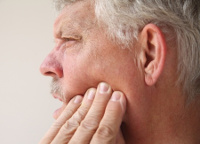 The most serious and common culprit behind a throbbing tooth at night is an active bacterial infection or a dental abscess. When advanced decay, a deep physical crack, or a failing restoration goes untreated, bacteria can seep deep into the inner nerve pulp of the tooth. Once the nerve becomes infected, it begins to die, leading to a build-up of gas and pus at the very tip of the tooth root.
Because this infection is trapped within the rigid walls of your jawbone, the resulting pressure has nowhere to go. When you lie flat and blood rushes to your head, this pressure is magnified tenfold, resulting in a severe, pulsating pain that makes sleep impossible. An active infection requires immediate professional intervention to prevent the bacteria from spreading to your surrounding jaw and bloodstream. If you are experiencing a severe, constant throbbing accompanied by swelling, fever, or a foul taste, our practice provides rapid, compassionate emergency dental care in Chicago, IL to stabilize your smile, eliminate the infection, and quickly get you out of pain.
Safe Steps for Immediate Nighttime Relief
While you should never ignore a persistent toothache, there are several safe, temporary steps you can take to manage your discomfort at home until you can reach our office.
- Elevate Your Head: Prop your head up with several extra pillows while sleeping to prevent blood from pooling in your head, effectively reducing the throbbing pressure.
- Rinse with Warm Salt Water: Gently swishing with warm saltwater can help clear away trapped food particles, reduce localized gum inflammation, and soothe the irritated area.
- Apply a Cold Compress: Placing a cold washcloth or ice pack on the outside of your cheek for 15 minutes at a time can help numb the radiating pain and control swelling.
- Maintain Your Oral Hygiene: Brush and floss thoroughly before bed to remove any plaque or food debris that could be feeding the bacteria and exacerbating the pain.
Reclaim Your Restful Sleep on the Magnificent Mile
You do not have to live with a painful, throbbing tooth that disrupts your sleep and compromises your daily quality of life. At Water Tower Dental Care, we believe that achieving optimal wellness should be a highly rewarding and entirely comfortable journey. Our doctors combine clinical mastery with a warm, welcoming approach, ensuring your restorative and preventive visits are completely stress-free and luxurious.
When you visit our modern office on the Magnificent Mile, we invite you to completely unwind and indulge in our exclusive Comfort Menu. Sink into our premium memory foam chairs, sip a freshly made real fruit smoothie, and watch your favorite shows on ceiling-mounted TVs with Bose noise-canceling headphones while our experts carefully analyze your sensitivity. We treat every patient exactly like family, providing the personalized, gentle care you deserve to feel your absolute best. To permanently resolve your pulsating toothache and get a restful night’s sleep, please reach out to contact our Chicago dental team to request an appointment or contact our office directly by calling (312) 787-2131 today.