
Understanding the Risks of Untreated Oral Infections in Chicago, IL
When a sudden, throbbing pain flares up in your mouth, it is completely natural to hope that the discomfort is temporary. For busy professionals, parents, and students navigating a fast-paced life in downtown Chicago, IL, taking time out of a packed schedule to visit the dentist can feel inconvenient. Many people find themselves searching online, hoping to discover that a mild toothache or gum swelling is just a minor irritation that will resolve itself with time. At Water Tower Dental Care, located in the prestigious Water Tower Place, Dr. Daniel Aneszko, Dr. Rana Stino, and Dr. Jennifer Moran want to provide you with the absolute biological truth about your oral health. Our team treats every patient exactly like family, providing a warm, luxurious, and supportive environment where you can seek clarity and gentle, expert care without any judgment.
The short and definitive medical answer to this common question is no: a tooth infection will absolutely never go away on its own. Unlike a cold, a minor cut on your skin, or a bruised muscle, your teeth do not possess the biological ability to heal themselves from an active bacterial invasion. Ignoring the early warning signs of an oral infection is incredibly dangerous, as it allows bacteria to quietly multiply and spread deep into your surrounding tissues and bloodstream. If you are currently dealing with localized dental pain and want to prevent a serious health crisis, please reach out to our premier dental practice in Chicago, IL by calling us at (312) 787-2131 to secure an immediate, compassionate evaluation.
The Anatomy of a Toothache: Why Infections Cannot Self-Heal
 To understand why a tooth infection cannot heal organically, it helps to examine the unique, rigid structure of human teeth. The visible crown of your tooth is covered by enamel, which is the hardest, most mineralized substance in the human body. Beneath the enamel lies a softer, microscopic layer called dentin. At the very center of every tooth is a hollow chamber containing the pulp, which is a delicate collection of living blood vessels, connective tissues, and highly sensitive nerves that keep the tooth alive.
When advanced bacterial decay, a microscopic enamel fracture, or a physical injury breaches the protective enamel and dentin shields, bacteria gain direct access to this inner pulp.
- No Room to Expand: When your body detects bacteria in the pulp, it responds with inflammation, sending white blood cells to fight the infection. However, because the pulp is encased in a rigid, unyielding chamber of enamel and dentin, there is absolutely no room for the tissues to swell.
- Blood Supply Cut Off: As the pressure inside the tooth builds, it pinches off the tiny blood vessels entering through the tip of the root. This cuts off the tooth’s internal blood supply entirely.
- Nerve Death: Without a continuous blood supply, your white blood cells can no longer reach the infection, and the living nerve tissue inside the tooth quickly dies. Once the nerve is dead, the hollow chamber becomes a permanent, dark sanctuary where bacteria can multiply completely undisturbed by your body’s immune system.
Warning Signs That Your Tooth Is Infected
An infection inside the pulp chamber will eventually travel down the root canal and exit through the bottom tip of the tooth, spilling out into your surrounding jawbone and gum tissues. This progression leads to a dental abscess, which is a localized pocket of pus that can cause severe, radiating pain. Recognizing the symptoms of a spreading infection early allows you to seek professional intervention before the damage becomes extensive.
The most common signs of an active tooth infection include:
- A persistent, severe throbbing pain in your tooth that radiates to your jawbone, neck, or ear on that side.
- Intense sensitivity to hot and cold temperatures that lingers for several minutes after the source is removed.
- Pain or sharp discomfort when chewing, biting down, or applying light physical pressure to the tooth.
- Visible swelling in your gums, cheek, or face, which may feel warm and tender to the touch.
- A small, pimple-like bump on your gums (a fistula) that may drain pus, leaving a foul taste or bad breath in your mouth.
The Danger of “Disappearing” Pain
 One of the most dangerous misconceptions in dental health is believing that an infection has healed because the pain has suddenly stopped. When a severely aching tooth abruptly stops hurting, it does not mean the bacteria have disappeared. Instead, it simply means the pressure inside the tooth has finally crushed and killed the main dental nerve, ending its ability to send pain signals to your brain.
While you may feel a temporary sense of relief, the bacteria are still highly active and will continue to eat away at the delicate bone tissue holding your tooth in place. This silent progression can destroy the supportive socket, eventually causing the tooth to loosen and fall out. Furthermore, because the nerve is dead, the infection can spread extensively without warning until a major, painful facial swelling or a high fever suddenly develops.
Severe Complications of an Untreated Abscess
The consequences of leaving a tooth infection untreated extend far beyond localized oral discomfort. At Water Tower Dental Care, we prioritize your oral-systemic health, understanding that the state of your mouth directly impacts your entire body. When a dental abscess is ignored, the bacteria can easily break through the local barrier and enter your bloodstream or travel along the deep tissue planes of your head and neck.
This spread of infection can lead to life-threatening medical emergencies, including:
- Osteomyelitis: A painful bacterial infection of the jawbone that causes bone tissue death and weakens your facial structure.
- Ludwig’s Angina: A rapidly spreading, severe infection of the floor of the mouth and neck that can cause massive swelling, potentially blocking your airway and making breathing impossible.
- Sepsis: A dangerous, systemic inflammatory response triggered by bacteria entering your bloodstream, which can lead to organ failure and requires immediate emergency hospitalization.
How We Treat and Resolve Dental Infections
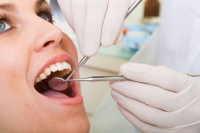 Fortunately, modern general dentistry provides highly effective, comfortable ways to completely eliminate dental infections and restore your peace of mind. Our first goal is always to save your natural tooth whenever biologically possible.
Depending on the exact severity of your infection, our doctors will customize a gentle restorative treatment plan:
- Root Canal Therapy: Our doctors will create a small opening in the crown, meticulously clean out the dead nerve and bacterial debris from the canals, sterilize the chamber, and seal it with a biocompatible material to prevent future infection. The tooth is then reinforced with a beautiful, custom crown.
- Gentle Extraction: If the tooth is too structurally damaged to be saved, we will perform a gentle extraction to remove the source of infection entirely. We can then discuss replacing the tooth with a permanent, natural-looking dental implant to keep your bite stable.
- Antibiotic Therapy: We may prescribe targeted antibiotics to help control the spread of bacteria, but it is important to remember that antibiotics are a temporary aid and will never cure the root cause of a tooth infection on their own.
Reclaim Your Health and Comfort on the Magnificent Mile
You do not have to live with the fear, discomfort, or danger of an untreated tooth infection. At Water Tower Dental Care, we pair elite clinical expertise with a refined, spa-like atmosphere to ensure your restorative treatment is entirely comfortable and stress-free. Dr. Aneszko’s remarkable dedication to advanced training guarantees that your root canal or restorative therapy is performed with the highest level of precision and gentle care. When you arrive at our clinic, you can indulge in our exclusive Comfort Menu, featuring premium memory foam chairs, freshly made real fruit smoothies, and Bose noise-canceling headphones to keep you perfectly relaxed.
If you are searching for experienced dentists near you who will prioritize your total health and overall systemic wellness, our dedicated professionals are ready to welcome you. Stop letting a painful toothache compromise your safety and peace of mind. Please reach out to our friendly team to schedule an emergency visit at our Chicago clinic directly by calling (312) 787-2131 to take the first proactive step toward a healthy, pain-free smile today.