3D CT Imaging in Chicago, IL
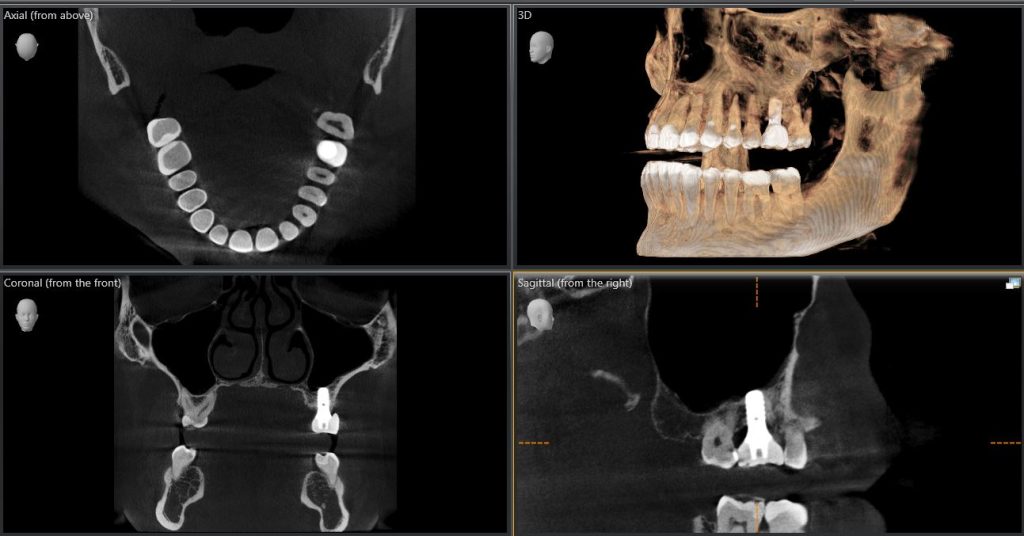
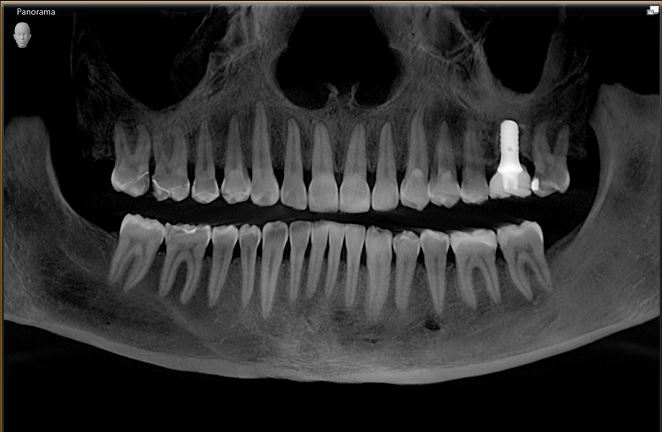
3D imaging, or Cone Beam Computed Tomography (CBCT), is a medical imaging technique that uses X-rays to create a 3D rendering of the maxillary and mandibular jaws, including the TMJ in most cases. For the first time, we are able to see bone, teeth, and sinuses in three different planes.
keyboard_arrow_upWhat is 3D CT Imaging?
3D CT imaging, also known as Cone Beam Computed Tomography (CBCT), is a revolutionary imaging technique that provides a three-dimensional view of dental structures. This advanced technology allows for precise visualization of the maxilla, mandible, and surrounding anatomical features, which is crucial for accurate diagnosis and treatment planning.
Unlike traditional 2D X-rays, 3D CT imaging captures detailed images from multiple angles, resulting in a comprehensive representation of the dental anatomy. This enables dentists to identify issues such as impacted teeth, bone density, and other oral health concerns with greater accuracy, ultimately leading to improved patient outcomes.
Benefits of 3D CT Imaging in Dental Care
The use of 3D CT imaging in dental care offers numerous benefits that enhance both diagnostic capabilities and treatment effectiveness. One of the primary advantages is the ability to visualize complex dental structures in a way that traditional imaging cannot provide, allowing for more informed decision-making.
Additionally, 3D CT imaging reduces the need for exploratory surgery, as it allows dentists to plan procedures with precision. This technology is particularly beneficial for implant placements, where accurate measurements of bone structure are essential. Patients can expect a more streamlined treatment process, resulting in less discomfort and faster recovery times.
How 3D CT Imaging Enhances Treatment Planning
3D CT imaging significantly enhances treatment planning by providing a detailed view of the patient's dental anatomy, which helps in formulating tailored treatment strategies. This detailed imaging allows for precise measurements and assessments, ensuring that the dentist can account for all anatomical variations in the patient's mouth.
For instance, when planning for dental implants, 3D CT imaging allows the dentist to evaluate the quality and quantity of bone available for implant placement. This level of detail minimizes the risk of complications and ensures that the implants are placed in the optimal position for stability and long-term success.
Patient Experience with 3D CT Imaging
The patient experience with 3D CT imaging is designed to be comfortable and efficient. The imaging process itself is quick, typically taking only a few minutes, and involves minimal radiation exposure compared to traditional CT scans. Patients can expect a straightforward experience without the need for extensive preparation.
After the imaging is complete, the dentist will discuss the results with the patient, explaining how the detailed images will influence their treatment plan. This transparency helps patients feel more informed and involved in their dental care journey, ultimately leading to higher satisfaction and trust in their dental provider.
What is 3D CT Imaging?
3D CT imaging, also known as Cone Beam Computed Tomography (CBCT), is a revolutionary imaging technique that provides a three-dimensional view of dental structures. This advanced technology allows for precise visualization of the maxilla, mandible, and surrounding anatomical features, which is crucial for accurate diagnosis and treatment planning.
Unlike traditional 2D X-rays, 3D CT imaging captures detailed images from multiple angles, resulting in a comprehensive representation of the dental anatomy. This enables dentists to identify issues such as impacted teeth, bone density, and other oral health concerns with greater accuracy, ultimately leading to improved patient outcomes.
Benefits of 3D CT Imaging in Dental Care
The use of 3D CT imaging in dental care offers numerous benefits that enhance both diagnostic capabilities and treatment effectiveness. One of the primary advantages is the ability to visualize complex dental structures in a way that traditional imaging cannot provide, allowing for more informed decision-making.
Additionally, 3D CT imaging reduces the need for exploratory surgery, as it allows dentists to plan procedures with precision. This technology is particularly beneficial for implant placements, where accurate measurements of bone structure are essential. Patients can expect a more streamlined treatment process, resulting in less discomfort and faster recovery times.
How 3D CT Imaging Enhances Treatment Planning
3D CT imaging significantly enhances treatment planning by providing a detailed view of the patient's dental anatomy, which helps in formulating tailored treatment strategies. This detailed imaging allows for precise measurements and assessments, ensuring that the dentist can account for all anatomical variations in the patient's mouth.
For instance, when planning for dental implants, 3D CT imaging allows the dentist to evaluate the quality and quantity of bone available for implant placement. This level of detail minimizes the risk of complications and ensures that the implants are placed in the optimal position for stability and long-term success.
Patient Experience with 3D CT Imaging
The patient experience with 3D CT imaging is designed to be comfortable and efficient. The imaging process itself is quick, typically taking only a few minutes, and involves minimal radiation exposure compared to traditional CT scans. Patients can expect a straightforward experience without the need for extensive preparation.
After the imaging is complete, the dentist will discuss the results with the patient, explaining how the detailed images will influence their treatment plan. This transparency helps patients feel more informed and involved in their dental care journey, ultimately leading to higher satisfaction and trust in their dental provider.