
When a Toothache Starts Midflight
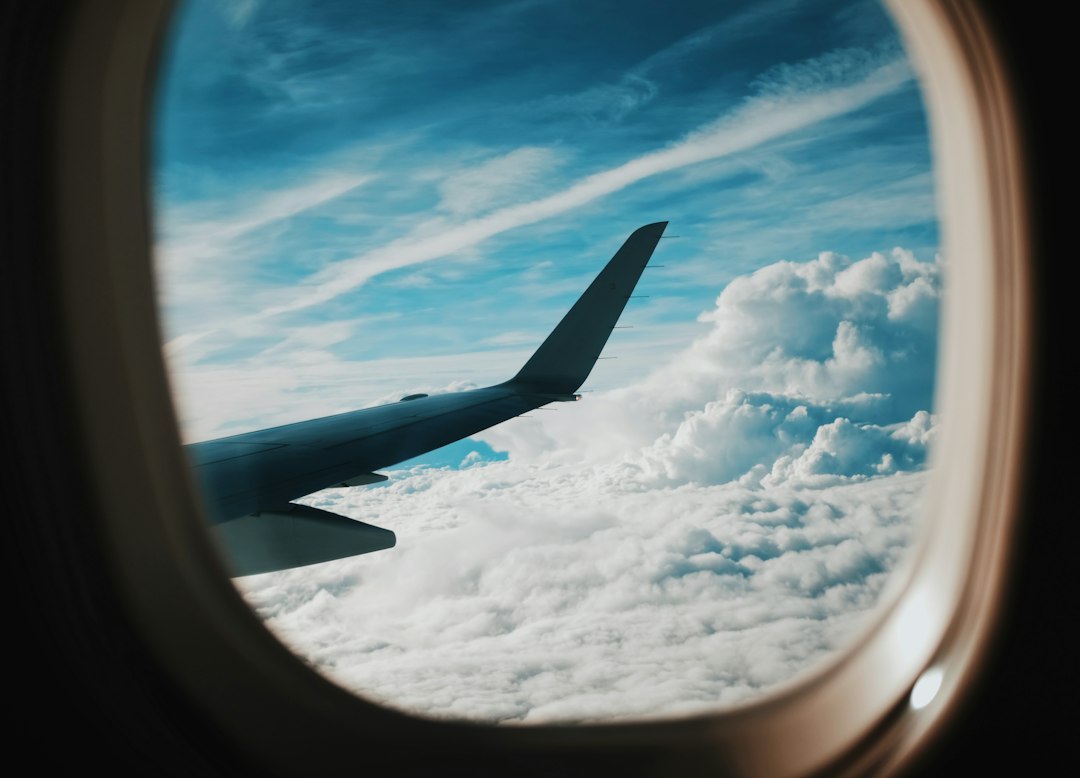
Your flight was going smoothly until one tooth started throbbing as the plane approached Chicago. The pain may have eased by the time you collected your bag, but the timing is worth mentioning before you fly again. If the pain lingers after landing, contact an emergency dentist to find out how soon you should be seen. Our downtown Chicago office serves patients from Streeterville and River North. To have a dentist in downtown Chicago, IL check your tooth before your next flight, call Water Tower Dental Care at (312) 787-2131.
Why a Tooth Can Hurt on an Airplane
Tooth pain associated with a change in pressure is called barodontalgia. It can occur in flight during a climb or descent. The cabin is pressurized, but the pressure still changes over the course of the flight. A review of tooth pain triggered by changes in pressure describes how the symptom can be associated with an underlying dental issue. The timing on the plane is a clue your dentist can consider alongside the exam.
Pressure or congestion in the sinuses can also feel like aching in the upper teeth. Spend a moment thinking about whether one tooth seemed to hurt or several upper teeth ached at once. Tell the dental team if you were ill, had a stuffy nose, or recently had a tooth treated.
1. Write Down When the Pain Started and Stopped
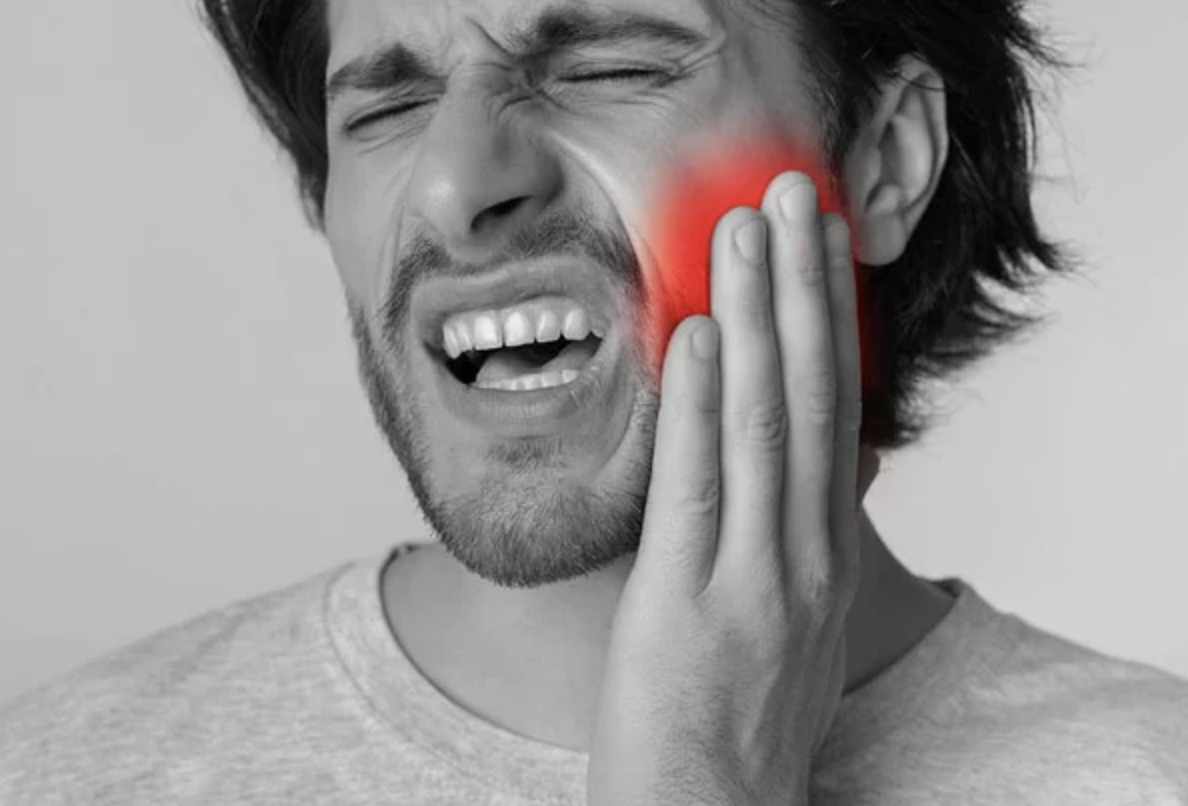
Was the plane climbing, cruising, or approaching the airport? Did the pain fade as the altitude changed, or did it keep going after you landed? If it lasted during the drive home or returned during your next meal, add that to your notes. The details may be easier to recall the same day.
Also describe the sensation itself. A sharp jolt that lasted a few seconds is different information from a deep ache that built gradually. If you had trouble telling which tooth hurt, write down the approximate area. You can describe it without guessing at a specific tooth number.
2. Look for Symptoms You’ve Had on the Ground
Think back to how your teeth felt in the days before the flight. Perhaps one tooth had been reacting to iced drinks, or you noticed a tender spot when you bit into a sandwich. If the pain is still there, pay attention to what brings it on during normal activities. Avoid repeatedly testing it with something hard or very cold.
When you speak with the dental office, compare your experience with these patterns of tooth pain so you can describe what changed. Mention if the pain woke you up or if the tooth feels different when you chew. Those details can matter even if they seemed minor before the flight.
3. Tell the Dentist About Any Recent Dental Work

If you had a filling, root canal, or temporary crown shortly before the trip, tell the office the date and which side was treated. Mention whether you have another appointment scheduled to finish that work. The dentist can review what was done and check the tooth, neighboring teeth, and bite as needed.
Collect the details before you call:
- When you last saw a dentist and what treatment you received
- Where you felt the pain and what it felt like
- Whether you had congestion or felt pressure near your cheeks
- How long the pain lasted and when you plan to fly again
4. Ask for Advice Before Your Next Takeoff
If you have another flight soon, share the date when you schedule the evaluation. Let the dental team know whether you’re taking a short trip or expect to be away for a while. A visit before departure gives you a chance to discuss what they find and whether any care or follow-up is needed before you leave.
If you can’t get an appointment before the flight, call to explain the symptoms and ask what makes sense for your situation. Symptoms that continue on the ground can be easier to evaluate than symptoms you only remember from the plane, so tell the team what’s happening today.
5. Keep Track of Congestion and Upper-Tooth Pressure
If several upper teeth ache and you also feel pressure around your cheeks or nose, tell your dentist and mention it to a medical provider if congestion persists. The roots of the upper back teeth are close to the sinuses. That proximity can make it hard to tell where an ache starts based on feeling alone.
Use ordinary observations to help describe it. Note whether nasal symptoms and tooth discomfort began together, whether they both cleared, and whether one tooth remains more sensitive. The providers can use the pattern along with their exams to advise you.
6. Get Help Promptly if Symptoms Escalate
Contact a dentist quickly if pain becomes severe, stays after landing, or comes with facial swelling, fever, or drainage. If swelling affects breathing or swallowing, seek emergency medical care. Review local emergency dental care in Chicago if you need help deciding how to describe your concern when you call.
If You’re Still Away From Home
A toothache that started during a flight may catch you in a city where you don’t know a dentist. If pain is lingering or getting stronger, call a dental office in the area to ask how soon it can evaluate you. Tell the office where you’re staying, how long you’ll be there, and when you have to travel again. If you have a regular dentist at home, keep their contact information handy in case the local office needs details about recent work.
Make a note of any treatment you receive while traveling. Ask for written aftercare instructions and check whether there are steps to follow before you fly again. If the dentist recommends follow-up, tell your home office what happened and ask how soon they want to see you when you return.
Get Tooth Pain Checked Before You Fly Again
Bring your flight notes to Water Tower Dental Care so the team can evaluate the tooth and discuss what to do before you fly again. Call our dentist in downtown Chicago, IL at (312) 787-2131 to get your tooth checked before your next flight.