
What to Do When a Dental Crown Comes Off
You bite into lunch and feel a hard piece that shouldn’t be there. A crown may come out in one piece, or you may feel a change in the way your teeth meet before you realize what happened. A lost crown is a reason to call for emergency dental care, even if the tooth doesn’t hurt yet. Our Magnificent Mile office serves patients from Streeterville and River North. To have a dentist in downtown Chicago, IL check the tooth after a crown comes off, call Water Tower Dental Care at (312) 787-2131.
What Happens When a Crown Comes Off?
A dental crown covers a prepared tooth or attaches to an implant restoration. If a crown comes off a natural tooth, the area underneath can feel smaller, rougher, or sensitive to cold. If it comes off an implant, there may be a metal component or another part visible. A dentist needs to see the tooth or implant and the crown to determine what came loose. This overview of how dental crowns cover and protect teeth can help you understand why it’s worth calling even if the area doesn’t hurt.
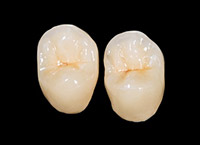
No two cases look exactly alike. A crown can come off intact, have a piece of material stuck inside it, or break into more than one part. Save what you find. The dentist can decide which pieces are useful to examine.
1. Take the Loose Crown Out of Your Mouth
If the crown is already free and you can spit it out easily, remove it so you don’t swallow it while chewing or talking. If it’s still partly attached, avoid pulling or twisting it and call the dentist for advice. If the piece is hard to see or reach, avoid probing with tools.
If someone has trouble breathing after a crown goes missing, call 911. A person who thinks they inhaled a piece but is breathing should seek prompt medical guidance. If you think you swallowed it, ask a medical professional for advice and tell the dental office what happened.
2. Save It in a Container
Rinse off loose food with water if needed. Place the crown and any pieces you find in a small clean container or bag. Avoid wrapping it in a tissue that could be thrown away by accident. If something is attached to the inside, leave it alone so the dentist can examine it.
Tell the dental team whether the crown is from a natural tooth or an implant, if you know. A crown may appear intact even when part of the tooth or another component has come away. A close look in the office is needed to determine whether it can be reused.
3. Call the Dental Office With Specific Details
When you call, explain when the crown came out and whether you still have it. Say whether you were eating or had an injury and whether the area hurts. This helps the office decide how soon to see you. Read about when to seek urgent care for a loose or broken crown if you’re deciding what to do outside regular office hours.
Have these details handy:
- Whether the crown came out completely or still feels attached
- The approximate location and whether it’s a temporary or permanent crown
- Any pain, sensitivity, swelling, or a visible broken piece
- Whether it came off while eating or after a blow to the mouth
4. Protect the Area While You Wait
Chew on the other side and choose foods that are easy to manage. Avoid putting repeated pressure on the exposed area to test how strong it feels. If cold or heat triggers sensitivity, choose drinks closer to room temperature and let hot foods cool before eating.
Gently brush around the tooth as comfort allows using a soft toothbrush. Ask the dental office how to clean if the area is painful or a piece is still attached. If you have a temporary crown that came off shortly after an appointment, tell the dentist when it was placed and when you were supposed to return.
5. Skip Household Glue and Avoid Forcing It Back On
Household adhesives aren’t made for use inside the mouth. A crown that doesn’t seat fully can also change the way your teeth meet. If you’re away from home and considering a temporary dental product, ask a dentist first. The advice depends on the kind of crown, what’s underneath, and how the crown fits.
Keep the crown in its container unless a dental professional tells you what to do with it. Even a crown that appears to sit in place can come loose again when you talk or chew.
6. Get Urgent Help if Other Symptoms Develop
Call promptly if pain becomes severe, the face or gum swells, or you notice signs of an injury. If swelling affects breathing or swallowing, seek emergency medical care. Let the dentist know if the tooth feels sharp or if a loose piece in the mouth could come off unexpectedly. The office’s emergency dental care guidance can help you prepare for the call.
7. Bring the Crown and Ask What the Dentist Finds
At the appointment, the dentist can examine the tooth or implant and check whether the old crown fits and can still be used. If replacement is needed, ask what needs attention first and whether same-day dental crowns might be appropriate in your case.
What to Ask if the Crown Has Come Off Before
Bring up any earlier repairs or times the crown felt loose, even if someone put it back on and things seemed fine afterward. Ask the dentist what they can see on the tooth under the crown and what they think caused it to come off. If your next step involves waiting for another visit, confirm what you can eat, how to clean the area, and when to call before the scheduled appointment.
Get a Missing Crown Checked in Downtown Chicago
Bring the crown and any pieces you saved to Water Tower Dental Care so the team can see what came loose. Call our dentist in downtown Chicago, IL at (312) 787-2131 to arrange a visit for a missing crown.