
Understanding Gum Bleeding and Oral Health in Chicago, IL
Maintaining a vibrant, healthy smile is a vital part of feeling confident in your personal and professional life. Whether you are delivering a presentation in the Loop or enjoying a night out along the Magnificent Mile, knowing your mouth is healthy gives you true peace of mind. However, if you notice pink in the sink or spots of blood on your dental floss, it can be alarming. Many people wonder, “Why do my gums bleed when I floss?” or whether bleeding gums are a normal part of daily oral hygiene.
While an occasional speck of blood might seem harmless, bleeding gums are a biological signal that your soft tissues are inflamed, irritated, or compromised. Healthy gum tissue should be firm, pale pink, and resilient enough to handle daily brushing and flossing without bleeding. Ignoring bleeding gums allows harmful bacteria to multiply beneath your gum line, potentially leading to irreversible bone loss and severe systemic issues. Understanding what causes your gums to bleed when flossing is the crucial first step toward restoring your foundation. If you are concerned about persistent gum bleeding and need guidance from experienced clinicians, please reach out to Water Tower Dental by calling our Chicago dentists near you at (312) 787-2131 to schedule an evaluation.
1. Early-Stage Gingivitis and Bacterial Plaque Build-Up
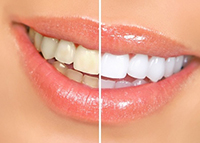 The most common reason gums bleed during flossing is early-stage periodontal inflammation, known as gingivitis. Every day, a sticky, colorless film of bacteria called plaque constantly forms on your teeth and along your gum line. If plaque is not thoroughly removed through daily oral hygiene, the bacteria release acidic toxins that irritate and inflame your delicate gum tissues.
As your immune system responds to this bacterial buildup, blood vessels in your gums dilate and swell, making the tissue extremely fragile and prone to bleeding at the slightest physical touch.
- Persistent Inflammation: Swollen, red, or tender gums that bleed easily during routine cleaning.
- Bacterial Accumulation: Plaque calcifying into hard tartar (calculus) beneath the gum line, which can only be removed by professional instruments.
- Reversible Damage: Gingivitis is fully reversible when caught early with thorough home hygiene and professional care.
If left unmanaged, gingivitis can progress into periodontitis, destroying the supporting bone holding your teeth in place. To clear away hardened plaque and restore your gum health, our practice offers specialized gum disease therapy to protect your oral foundation.
2. Inconsistent Flossing Habits and Infrequent Care
If you only floss sporadically—such as right before a checkup or once every few weeks—your gums are much more likely to bleed when you do floss. When you do not floss daily, bacterial plaque accumulates between your teeth undisturbed, causing mild, chronic inflammation in those tight spaces.
When you suddenly introduce floss to inflamed, unconditioned gums, the physical movement easily ruptures the delicate, swollen capillary walls. However, the solution is not to stop flossing; in fact, the bleeding is a sign that you need to floss more consistently. With daily, gentle flossing, the accumulated plaque is removed, allowing the tissue inflammation to subside and the bleeding to stop within a week or two. If you need a refresher on proper home techniques, our team provides personalized guidance during your routine dental cleanings. To book your next preventive visit with our team, call us today at (312) 787-2131.
3. Using an Aggressive Flossing Technique or the Wrong Tools
 Sometimes, bleeding gums are not caused by bacterial disease, but rather by mechanical trauma from overly aggressive cleaning. Snapping the floss forcefully down between your teeth can cut directly into the delicate papilla—the triangular gum tissue sitting between your teeth.
Using a toothbrush with hard or medium bristles can also severely abrade your gum margins, causing localized bleeding and gum recession over time.
- Gentle Curve: Always curve the floss into a C-shape against the side of each tooth, gently sliding it beneath the gum line rather than snapping it straight down.
- Soft Bristles: Use an extra-soft or soft-bristled toothbrush, or upgrade to an electric toothbrush with a built-in pressure sensor to prevent tissue trauma.
- Proper Floss Type: Choose waxed floss or monofilament tape if you have tight contact points between your teeth to prevent shredding and sudden snapping.
4. Hormonal Changes and Pregnancy Gingivitis
Hormonal fluctuations can significantly increase your gums’ sensitivity to bacterial plaque. During pregnancy, puberty, menstruation, or menopause, elevated levels of progesterone and estrogen increase blood flow to your soft oral tissues.
This increased blood circulation makes your gums much more reactive to even tiny amounts of plaque, leading to a condition known as “pregnancy gingivitis.” Pregnant women often notice that their gums become unusually red, swollen, and prone to bleeding while flossing, even if their brushing habits have not changed. Maintaining meticulous oral hygiene and scheduling regular cleanings during pregnancy is vital for protecting both maternal and systemic health. If you are pregnant or experiencing hormonal sensitivity, our doctors can tailor gentle general dentistry care to keep your gums healthy and comfortable. You can reach our front desk at (312) 787-2131 to discuss gentle care options.
5. Nutritional Deficiencies and Systemic Health Factors
 Your oral health is a direct mirror of your overall physiological wellness. Deficiencies in essential vitamins—particularly Vitamin C and Vitamin K—can compromise your body’s ability to maintain strong collagen fibers and proper blood clotting. Vitamin C plays a crucial role in tissue repair and immunity, and low levels can lead to weakened, bleeding gums.
Additionally, systemic health conditions and certain medications can contribute to soft-tissue bleeding:
- Blood Thinners: Prescription medications such as aspirin, warfarin, or newer anticoagulants prevent blood clots, making your gums bleed more easily during flossing.
- Diabetes: Uncontrolled blood sugar levels weaken your body’s ability to fight off bacterial oral infections, exacerbating gum inflammation.
- Oral-Systemic Connection: Chronic gum inflammation is linked to cardiovascular issues and systemic health conditions, highlighting the importance of total body wellness.
Our practice focuses heavily on oral-systemic health, evaluating how your systemic wellness impacts your teeth and gums.
Reclaim Healthy, Resilient Gums on the Magnificent Mile
You do not have to live with tender, bleeding gums or guess about the health of your smile. At Water Tower Dental Care, we combine advanced digital diagnostics with an uncompromising standard of luxury to ensure your visits are thorough, effective, and completely stress-free. Dr. Aneszko, Dr. Stino, and Dr. Moran treat every patient like family, providing personalized continuity of care that addresses the true root cause of your gum discomfort.
When you arrive at our modern office inside Water Tower Place, we invite you to completely relax with our exclusive Comfort Menu. Sink into plush memory foam chairs, sip a freshly prepared real fruit smoothie, and watch ceiling-mounted TVs with Bose noise-canceling headphones while our experts carefully analyze your soft-tissue health. If you are searching for experienced dentists in Chicago who will protect your oral foundation in a luxurious environment, your search ends right here on North Michigan Avenue. Please submit an appointment request online or contact our office directly by calling (312) 787-2131 to take the first step toward healthy, bleed-free gums today.