
Signs You Might Have Bruxism
At Water Tower Dental Care, we believe that preserving your natural smile is the ultimate luxury. Located within the iconic Water Tower Place on Chicago’s Magnificent Mile, our office is designed to provide a serene escape from the city where your oral health is our sole focus. Dr. Daniel Aneszko, Dr. Rana Stino, and Dr. Jennifer Moran are dedicated to offering personalized service that goes beyond simple check-ups. We treat every patient like family, utilizing high-tech digital dentistry to ensure your bite is functional, comfortable, and beautiful.
Bruxism, commonly known as teeth grinding or clenching, is a condition that affects millions of people, often without them even realizing it. While some people grind their teeth during the day due to stress, many do it unconsciously while they sleep (sleep bruxism). If left untreated, the immense pressure generated by your jaw muscles can wreak havoc on your enamel, jaw joints, and overall quality of life. Recognizing the symptoms early is crucial. If you identify with any of the following signs, we encourage you to call our Chicago dentists near you at (312) 787-2131 number to discuss protection options.
 1. You Wake Up with Dull Headaches
 1. You Wake Up with Dull Headaches
One of the most frequent complaints we hear from patients suffering from undiagnosed bruxism is waking up with a headache. Unlike a migraine that might stem from light sensitivity or dietary triggers, these headaches typically originate in the temples or the back of the head. This occurs because the muscles that control your jaw (the temporalis and masseter muscles) have been overworked throughout the night, clenching with significant force.
This constant muscle contraction creates tension that radiates upward, greeting you with a dull ache the moment you open your eyes. If you find yourself reaching for pain relievers first thing in the morning on a regular basis, your teeth might be the culprit. Call our dentist’s office near you at (312) 787-2131 to see if a custom appliance can help you wake up pain-free.
2. Your Jaw Muscles Feel Sore or Tight
Do you ever feel like your face is tired? If your jaw muscles feel tight, tender, or fatigued—especially in the morning—it is a strong indicator that you have been clenching throughout the night. In some cases, the tightness can be so severe that it becomes difficult to open your mouth wide to eat breakfast or brush your teeth.
Dr. Aneszko possesses a deep understanding of jaw biomechanics and neuromuscular dentistry. He understands that a harmonious bite is essential for relaxed muscles. When your bite is off-balance or you are grinding, those muscles never get a chance to rest. Addressing this muscle tension early is vital to preventing chronic temporomandibular joint (TMJ) disorders.
3. Your Teeth Look Flat or Worn Down
Take a close look at your smile in the mirror. Your teeth should have natural contours—the canines should be slightly pointed, and the molars should have distinct peaks and valleys for chewing. If your teeth appear flattened, leveled off, or look like they have been filed down with sandpaper, you are likely grinding them against one another.
- Loss of vertical height: Severe grinding can actually shorten your teeth, changing the shape of your face.
- Yellow appearance: As the white outer enamel wears away, the yellowish dentin underneath becomes visible.
This physical wear is irreversible without intervention. Our team offers restorative dentistry to rebuild damaged teeth, but the best approach is prevention. If you notice your teeth changing shape, please reach out to us at (312) 787-2131.
4. You Experience Increased Tooth Sensitivity

As bruxism wears down the protective layer of enamel, it exposes the softer, more sensitive dentin layer beneath. Dentin contains microscopic tubules that lead directly to the tooth nerve. Consequently, you might start noticing a sharp zing of pain when you drink hot coffee, eat ice cream, or even breathe in cold air.
Many patients mistake this for a cavity or simple aging, but it is often a sign of mechanical erosion caused by grinding. During your dental cleanings, our hygienists can check for these abrasion patterns. Protecting your enamel with a guard can stop the progression of sensitivity and keep your smile comfortable.
5. Your Sleep Partner Hears Grinding Noises
Sometimes, the person who diagnoses your bruxism isn’t a doctor, but your sleep partner. Sleep bruxism can be incredibly loud. The sound of teeth grinding against each other has been described as crunching, grating, or squeaking, often loud enough to wake someone sleeping in the same bed.
If you have been told that you make noises with your teeth at night, take it seriously. It is definitive proof that your jaw is engaging in destructive behavior while you sleep. To restore peace and quiet to your bedroom and protect your oral health, contact our dentists near you to discuss nightguards. These custom-fit appliances provide a protective barrier, silencing the noise and cushioning your teeth.
6. You Have Locked Jaw or Clicking Sounds
The temporomandibular joint (TMJ) is the hinge that connects your jaw to your skull. Excessive grinding puts immense pressure on this complex joint. Over time, this can displace the disc within the joint, leading to clicking, popping, or grating sounds when you chew or yawn.
In severe cases, the jaw can become “locked” in an open or closed position. This is a distressing experience that requires immediate attention. If you are noticing audible clicks or mechanical issues with your jaw movement, do not wait for it to worsen.
7. You Have Chipped or Broken Restorations
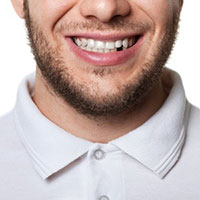
If you have invested in cosmetic dentistry or have fillings, frequent breakage is a major red flag. Porcelain veneers and crowns are durable, but they are not designed to withstand the hundreds of pounds of pressure generated by chronic bruxism. If you find that your fillings are popping out or your veneers are chipping without a clear cause (like biting a peach pit), grinding is the likely suspect.
Protecting your dental investment is critical. A custom nightguard acts as an insurance policy for your dental work, absorbing the force of your bite so your ceramic restorations don’t have to. For patients who need repairs, we offer same-day crowns using CEREC technology to restore your smile quickly.
Protect Your Smile on the Magnificent Mile
At Water Tower Dental Care, we want you to enjoy a lifetime of strong, healthy teeth. If you recognize any of these 7 signs, a custom nightguard may be the simple solution you need. Unlike over-the-counter boil-and-bite guards, our appliances are precision-molded to your unique anatomy, ensuring superior comfort and protection.
We invite you to experience the difference of our luxury care. From our comfort menu featuring noise-canceling headphones to our compassionate, high-tech approach, we make protecting your smile a pleasure.
Call our dental practice in Chicago at (312) 787-2131 to schedule an assessment today.