
Relieve Oral Discomfort on the Magnificent Mile
Living and working in Chicago, IL, is an exciting experience, but dealing with unexplained oral pain can quickly disrupt your busy life. At Water Tower Dental Care, located in the prestigious Water Tower Place, Dr. Daniel Aneszko, Dr. Rana Stino, and Dr. Jennifer Moran are deeply committed to elevating your oral health in a luxurious, welcoming environment. Dr. Aneszko demonstrates a relentless passion for clinical excellence by completing over 100 hours of advanced dental education annually, dedicating his career to both complex structural jaw health and global humanitarian efforts. If you are experiencing strange discomfort and need a dentist’s office near you, our team is here to help.
Your tongue is an incredibly complex, muscular organ essential for speaking, swallowing, and enjoying Chicago’s world-class dining scene. When a sudden issue arises, such as a sharp sting or a persistent aching under your tongue, it can be highly alarming. Because the floor of the mouth is delicate, determining exactly why does under my tongue hurt requires professional insight. If you are struggling with pain and want to request an appointment for a thorough evaluation, our compassionate team is ready to identify the root cause organically. Here are five common reasons why the underside of your tongue may be hurting.
If you need immediate relief from severe ulcer pain, please reach out to our team by calling our top dentists in Chicago at (312) 787-2131.
1. You Have a Canker Sore Beneath Your Tongue 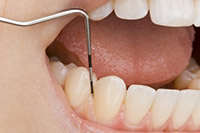
Canker sores, medically known as aphthous ulcers, are one of the most frequent culprits behind a painful underside of tongue. These small, shallow lesions can develop anywhere on the soft mucosal tissues of your mouth, but they are particularly bothersome when they form directly beneath the tongue. Unlike cold sores, they are not contagious, but they can cause a sharp, stinging sensation that worsens whenever you eat highly acidic foods, speak, or swallow.
If you notice a round, white, or yellowish sore beneath tongue with a red border, you are likely dealing with an ulcer. They are often triggered by high stress levels, hormonal fluctuations, or minor abrasions from brushing too vigorously. While most canker sores heal on their own within a week or two, an unusually large sore warrants a professional look.
2. A Cut or Physical Trauma Underneath the Tongue
The tissue on the floor of your mouth is exceptionally thin and fragile, making it incredibly vulnerable to physical injuries. It is remarkably easy to accidentally create tiny cuts underneath tongue while eating crunchy snacks like potato chips, crusty breads, or hard candies. Additionally, accidentally biting the tissue or burning your mouth on scalding hot coffee can leave the area raw, swollen, and highly irritated.
When you experience physical trauma, the resulting inflammation can make it feel like the entire underside of your mouth is throbbing. To promote healing, our doctors recommend rinsing your mouth gently with warm salt water and avoiding spicy or abrasive foods for a few days. If a cut is deep, refuses to close, or begins to show signs of infection, professional intervention is necessary. Do not let a minor injury turn into a major infection; reach out by calling our office at (312) 787-2131 for a comprehensive exam.
3. Salivary Gland Stones (Sialolithiasis) 
Your mouth contains several major salivary glands, with the submandibular glands located right beneath the floor of your mouth. Occasionally, minerals in your saliva can calcify and clump together, forming tiny salivary stones that block the ducts. When a duct becomes blocked, saliva backs up into the gland, leading to a situation where the underneath tongue is swollen and highly tender to the touch.
A classic sign of a salivary stone is experiencing a sharp pain in under tongue that severely intensifies right before or during a meal, as your mouth attempts to produce more saliva to aid in digestion.
- Stay Hydrated: Drinking plenty of water can sometimes help dislodge a very small stone naturally.
- Gentle Massage: Gently massaging the area might encourage the stone to pass through the duct.
If the blockage does not resolve, it can lead to a painful bacterial infection requiring prompt general dentistry care to safely remove the stone.
4. You Pulled a Tongue Muscle
Many patients are surprised to learn that they can actually experience a pulled tongue muscle. Your tongue is a complex web of intertwined muscles that work constantly throughout the day. Excessive movements, such as aggressively thrusting your tongue against your teeth, excessive chewing, or even severe teeth grinding (bruxism) at night, can heavily strain these muscles.
If you find that under my tongue hurts when i lift it up or stretch it from side to side, a muscle strain or spasm is a highly likely cause. This type of muscular fatigue usually presents as a dull ache rather than a sharp, localized sting. Resting your jaw and being mindful of subconscious oral habits is usually enough to resolve the tension. If you suspect chronic teeth grinding is straining your oral muscles and causing your pain, reach out to our clinical team by calling (312) 787-2131.
5. Inflammation of the Lingual Frenulum 
If you lift your tongue and look in the mirror, you will see a thin band of connective tissue tethering the bottom of your tongue to the floor of your mouth. This structure is called the lingual frenulum. Because it is so delicate, the frenulum is easily irritated by sharp foods, aggressive flossing, or accidental friction. When this specific band of tissue is scraped or torn, you will quickly notice that your lingual frenulum hurts with almost every movement of your mouth.
A sore on frenulum of tongue can make basic tasks like speaking or chewing incredibly uncomfortable. At Water Tower Dental Care, we prioritize your oral-systemic health, understanding that recurrent inflammation in these delicate tissues could sometimes indicate an underlying vitamin deficiency or a compromised immune response. If your frenulum is chronically inflamed, our doctors can utilize advanced diagnostics to pinpoint the exact cause of your recurring irritation.
When Should You Seek Emergency Care?
While minor canker sores and small scrapes often heal on their own, certain symptoms indicate a more serious condition that requires immediate emergency dental care. You should never ignore under tongue pain that steadily worsens or is accompanied by other alarming signs of infection.
Please seek immediate professional help if your discomfort is accompanied by:
- Severe swelling that makes it difficult to swallow or breathe.
- A persistent high fever or chills.
- A hardened lump or sore that does not disappear after two weeks.
- Pus or a foul-tasting discharge emitting from the floor of your mouth.
Experience Compassionate Care in Chicago, IL
You do not have to live with unexplained oral discomfort or let an aching under your tongue ruin your day. At Water Tower Dental Care, we are dedicated to providing fast, effective relief while ensuring your overall experience remains incredibly comfortable and luxurious. Our team combines state-of-the-art digital technology with a warm, accommodating approach, treating every patient like family to ensure your absolute well-being.
When you visit our Chicago office, you can take full advantage of our exclusive Comfort Menu. Sip a freshly made real fruit smoothie, sink into our plush memory foam chairs, and watch your favorite shows on ceiling-mounted TVs with Bose noise-canceling headphones while our experts carefully diagnose and treat your smile. If you are searching for experienced dentists near you who will listen to your concerns and provide top-tier care on the Magnificent Mile, you have found your ideal dental home. Contact our front desk today to get out of pain and back to enjoying your vibrant life!
If you are experiencing any of these severe warning signs, do not wait to see if the problem resolves itself. Reach out to our emergency dentists in Chicago immediately by calling (312) 787-2131 for rapid, effective relief.