
Protecting Your Smile’s Foundation at Water Tower Dental Care
Gum disease, known professionally as periodontal disease, is a serious issue that affects the majority of adults at some point. It is a progressive bacterial infection that attacks the tissues supporting your teeth—your gums and jawbone. At Water Tower Dental Care in Chicago, IL, Dr. Daniel Aneszko focuses on a comprehensive approach to dentistry, emphasizing that a beautiful smile is impossible without a healthy foundation of gums and bone. We proudly serve patients from Chicago and surrounding areas like Gold Coast, River North, and Streeterville, committed to preventing and treating periodontal issues before they cause irreversible damage.
Gum disease starts subtly, often with mild inflammation called gingivitis, which is highly reversible. If ignored, it advances to periodontitis, which can lead to tooth loss. Recognizing the early warning signs is the key to prompt and successful gum disease treatment. As a dedicated oral health partner in Chicago, we urge you to pay attention to your mouth’s signals. If you notice any concerning symptoms related to your gum health, call our Chicago dental practice right away at 312-787-2131 for a comprehensive evaluation.

1. Bleeding Gums
One of the most obvious and common signs of gum disease is bleeding gums. Gums should not bleed when you brush, floss, or even eat firmer foods. Bleeding indicates that the gum tissue is inflamed and irritated, usually due to the accumulation of plaque and bacteria at the gum line.
This initial stage, gingivitis, is characterized by gums that appear redder than normal and may be slightly swollen. The good news is that gingivitis is completely reversible with professional dental cleaning and a return to diligent daily brushing and flossing. However, if you see blood every time you spit after brushing, it’s a clear signal that the bacteria have begun their attack, and you need professional help to intervene.
2. Chronic Bad Breath
While occasional bad breath is normal, persistent or chronic bad breath (halitosis) that doesn’t improve with brushing, mouthwash, or flossing can be a major indicator of active gum disease. This pervasive odor is caused by the waste products of the bacteria that thrive in the pockets forming below the gum line.
As gum disease progresses, these bacteria produce foul-smelling gases. The odor becomes trapped in the deepened periodontal pockets and is constantly released. If you or others notice your breath is consistently unpleasant despite meticulous hygiene efforts, it’s a strong sign that you may be harboring a large bacterial colony requiring professional treatment like scaling and root planing.
3. Red, Swollen, or Tender Gums

Healthy gum tissue should look pink and firm, fitting snugly around the base of each tooth. If your gums are red, puffy, or noticeably swollen, they are likely inflamed by bacterial toxins. This tenderness might also cause slight discomfort when chewing or touching the area.
Swelling and tenderness are physical manifestations of your body’s immune system fighting the bacterial infection. When the infection is chronic, the gums pull away from the tooth, creating small spaces called periodontal pockets. These pockets then collect more plaque and tartar, accelerating the disease cycle. Dr. Aneszko and the team can accurately measure the depth of these pockets to determine the extent of your gum disease.
4. Receding Gums and “Longer” Teeth
As gum disease advances to periodontitis, the chronic inflammation actively destroys the soft tissue and the bone that anchors your teeth. This destruction causes the gum tissue to pull back, or recede, exposing more of the tooth root surface.
This recession makes your teeth appear unnaturally “long” and can cause significant temperature sensitivity, as the exposed roots lack the protective enamel of the crown. Receding gums also create more surface area for bacteria to attack, further damaging the bone below. Gum recession is a serious sign of bone loss and requires immediate treatment to prevent further progression.
5. Loose or Shifting Teeth
This is one of the most critical and alarming signs of advanced periodontitis. Your teeth are held securely in place by the bone structure beneath the gums. When gum disease is left untreated, the supporting jawbone is actively dissolved and reabsorbed by the body in response to the infection.
As the bone diminishes, the teeth lose their stable foundation and may begin to feel loose, wobble when you chew, or visibly shift position, creating new gaps or crowding. This tooth mobility indicates severe bone loss and necessitates immediate, aggressive periodontal treatment to attempt stabilization and prevent tooth loss. If you notice any change in your bite or tooth stability, contact Water Tower Dental Care in Chicago by calling 312-787-2131.
 6. Pus or Sores in the Mouth
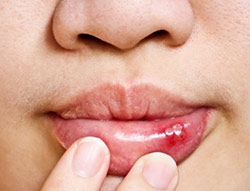 6. Pus or Sores in the Mouth
The presence of pus between your gums and teeth or around the tooth structure is a definitive sign of an active, advanced infection, often indicating a periodontal abscess. Pus is essentially a collection of white blood cells fighting the overwhelming bacterial load.
If you notice a white or yellowish substance emerging when you press on your gums, or if you have recurring sores inside your mouth that take a long time to heal, this suggests the infection is active and concentrated. An abscess, whether it’s around the root or in the gums, requires prompt professional drainage and antibiotic therapy to stop the infection from spreading throughout your body.
Protecting Your Smile and Health
Ignoring the signs of gum disease does not make it go away; it only ensures the disease progresses, eventually leading to tooth loss and impacting your overall systemic health. Dr. Daniel Aneszko and the compassionate team at Water Tower Dental Care are highly experienced in diagnosing and treating all stages of periodontal disease, from simple gingivitis to advanced periodontitis requiring deep cleaning and specialized care.
We provide accommodating, comprehensive, and state-of-the-art dentistry, ensuring we not only treat the infection but also partner with you to prevent its recurrence. If you have noticed any of these six warning signs, don’t compromise the stability of your smile. We are here to help restore the health and vitality of your gums.
Call our dentist’s office in Chicago, IL, today: 312-787-2131.